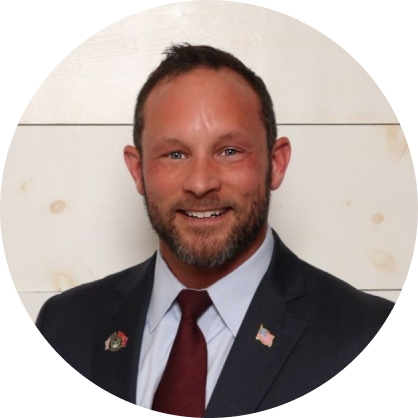
By Dave Campisano
Founder & CEO, 22Mohawks
Veteran suicide remains one of the most urgent challenges facing our nation and our communities.
The Department of Veterans Affairs recently released the 2025 National Veteran Suicide Prevention Annual Report. I’ve spent time reviewing it closely, and I want to share what the data tells us, what concerns us, and how 22Mohawks is responding differently.
What the National Report Shows Clearly and Uncomfortably
Despite years of investment and repeated declarations that suicide prevention is the VA’s number one priority, the data shows:
- Veteran suicide deaths continue to rise, not fall
- Veteran suicide rates remain roughly double those of non-veterans
- Younger veterans and recently separated service members are at especially high risk
- Firearms remain the leading method, accounting for the majority of deaths
- A significant number of veterans who die by suicide were not engaged in mental health care at the time of death
In other words: more programs, more funding, more activity but no meaningful reduction in lives lost.
This does not reflect a lack of caring. It reflects a system that is measuring the wrong things.
The Hard Truth We Have to Face
The VA continues to say suicide prevention is its top priority. But when deaths keep increasing year after year, we have to ask:
How are we defining success?
Too often, “success” is measured by:
- appointments scheduled
- outreach events held
- referrals made
- dollars spent
These are effort metrics, not outcome metrics.
If suicide prevention is truly the priority, then the primary measure must be lives saved. By that standard, the current system is not working.
Why Mental Health Alone Isn’t Enough
Mental health care is essential, but the report confirms what many of us see on the ground:
- Many veterans who die by suicide never enter treatment
- Many crises are short, impulsive, and situational
- Suicide risk is driven by disconnection, transition stress, financial pressure, relationship loss, substance use, and access to lethal means
A system that assumes veterans will self-identify, seek care, and remain engaged will always miss those at highest risk.
How 22Mohawks Is Moving Forward, Differently
At 22Mohawks, we believe suicide prevention must be outcome-driven, not activity-driven.
Going forward, our action plan focuses on three core principles:
1. Reaching Veterans Where Risk Actually Shows Up
We prioritize engagement during high-risk windows, including:
- post-separation from military service (Active Outreach - Onward-Ops)
- legal, employment, or family crises (Direct Contact and Referrals)
- moments of acute distress, not long waitlists (Direct Contact)
2. Reducing Risk During Crisis Windows
Our services emphasize:
- immediate human connection
- practical stabilization (support networks)
- peer engagement and follow-up after crisis moments
- voluntary, respectful safety planning during periods of elevated risk
3. Defining and Tracking “Lives Saved”
This is where we are drawing a clear line.
22Mohawks is committing to track mortality-relevant outcomes, including:
- crisis encounters followed by successful stabilization
- documented follow-up contacts after high-risk events
- reduced repeat crisis episodes among participants
- confirmed participant safety at 6- and 12-month intervals
While no organization can claim sole credit for preventing every loss, we can and must measure whether the veterans we serve are still alive, connected, and moving forward.
If we cannot answer that question, we cannot claim success.
A Call for Honesty and Accountability
This message is not about attacking institutions or nonprofits. Many people are working hard with the best intentions.
But intentions are not outcomes.
If veteran suicide prevention is truly the number one priority at the federal, state, or community level — then funding, strategy, and accountability must align with what the data actually shows.
At 22Mohawks, we are choosing to lead with transparency, measurable impact, and an unwavering focus on keeping veterans alive.
We invite our partners, supporters, and community leaders to hold us to that standard, and to join us in demanding systems that do the same.
Respectfully,
Dave Campisano
Founder & CEO, 22Mohawks