Suicide Prevention: Understanding the Psychological Struggles of Veterans
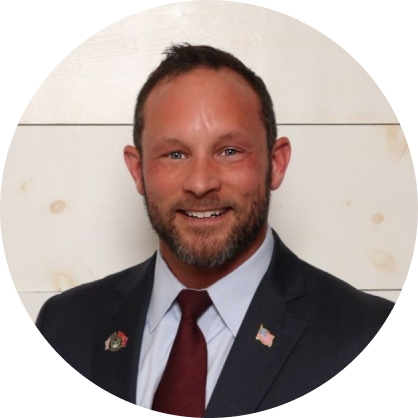
Written By: Dave Campisano
Veteran suicide remains a critical issue that demands a deeper understanding of the psychological burden service members carry. To reach a point where one considers taking their own life is an indication of immense psychological distress. As a veteran who has personally struggled with such thoughts, I have reflected on the factors that lead individuals to such despair and the systemic challenges in addressing these issues effectively.
Consider a 23-year-old service member who enlisted at 18, now serving as a Staff Sergeant. After experiencing the loss of his platoon sergeant in combat, he is suddenly thrust into a leadership role, responsible for the lives of 20-45 soldiers. The shift in responsibility is immediate and immense. In combat, survival is the only thing that matters, and every decision revolves around ensuring the well-being of the team. The deep trust forged in these high-stakes situations is difficult for outsiders to comprehend. There is an unspoken understanding among soldiers’ – “victory or death.” The concept of self-sacrifice becomes ingrained, mirroring the responsibility of a ship’s captain who is expected to go down with their vessel.
Engaging in combat provides a profound sense of purpose. Unlike traditional civilian careers with structured workdays, service members operate in a realm where life and death decisions define their existence and problems are solved with violence. The transition back to civilian life is often jarring. The individuals who were once identified as "targets" on the battlefield were, in reality, human beings, a truth that complicates the psychological reintegration into society.
Neurosurgeons and Infantryman
Returning home after combat introduces a complex emotional landscape that only those with similar experiences can truly understand. Just as a neurosurgeon struggles to convey the intricacies of a 12-hour brain surgery to a layperson, an infantryman finds it nearly impossible to articulate the experience of enduring a 12-hour firefight. This communication barrier creates frustration, as these violent and traumatic experiences demand expression. However, finding an audience capable of comprehending these narratives is rare.
For instance, how does one explain witnessing an enemy combatant using a civilian and perhaps even a child as a human shield, resulting in unintended casualties? These are the grim realities of war, yet such experiences remain largely incomprehensible to those who have never served in combat. The inability to process and discuss these experiences often leads veterans to seek escape through alcohol, substance use, or overwork. Many are prescribed medications to manage post-traumatic stress, yet over time, dependency on these substances can develop, exacerbating anxiety and suicidal ideation.
Cocktails
Despite advancements in mental health care, veteran suicides continue to rise. A key issue lies in the over-reliance on pharmacological interventions. During my time in service, I received cortisone shots to alleviate knee pain, allowing me to complete physical therapy. The intent was short-term relief during the healing process, not indefinite reliance on medication. This same principle should apply to mental health treatments. Medications, including SSRIs, anxiety treatments, and painkillers, should be temporary solutions rather than long-term dependencies. Unfortunately, once prescribed, many veterans never transition off these medications, leading to unintended consequences, including worsened mental health outcomes. An article in the Wall Street Journal on July 31, 2025, titled “Combat Cocktail”: How America Overmedicates Veterans”, explains the concept known as “polypharmacy”. The VA defines it as taking five or more medications at the same time. The VA also says that the best treatment for PTSD is talk therapy. But therapists are scarce and wait times are long. This leaves overwhelmed doctors to default to pills. But the VA’s own guidelines say no data support drug combinations to treat PTSD. (Wall St Journal 2025)
Overprescribing
The VA is aware of the risk of overprescribing central nervous system drugs. Dr. Shereef Elnhal, head of the VA Health system until 2025, remembered a veteran who mentioned three other veterans taking more than five psychiatric medications, who each died by suicide. He said they walked around like zombies until they took their own lives. An emerging alternative in veteran mental health treatment is the use of psychedelics. VA Secretary Doug Collins said at a congressional hearing in May that the agency is considering the use of psychedelics. The focus would be specifically for reducing suicide among veterans. While there is a subset of the veteran population that may benefit from this approach, it should be pursued only after exhausting all conventional treatment methods. This includes maintaining physical fitness, ensuring adequate sleep, participating in talk therapy with fellow veterans and licensed professionals, limiting alcohol and caffeine intake, and fostering meaningful social connections. These foundational practices should always be the first line of intervention before resorting to pharmaceutical or experimental treatments.
Transition
Transitioning out of military service is a critical period that requires proactive education and preparation. Veterans must be equipped with the knowledge and resources necessary to navigate civilian life successfully. This education should come from those who have personally undergone this transition, individuals who have faced challenges, made mistakes, and ultimately learned how to integrate into society while preserving their well-being.
Understanding your treatment options and the risks and benefits of each is mission-critical for recovery. What works for one veteran may be ineffective or even counterproductive for another. While SSRIs or anti-anxiety medications may offer relief over a 6–8 month course for some, others who’ve already invested deeply in healing with minimal results may benefit more from targeted interventions like the Stellate Ganglion Block (SGB) or carefully guided psychedelic-assisted therapy. Recovery isn’t one-size-fits-all, it requires precision, self-awareness, and a willingness to explore beyond conventional paths. (Frueh BC;Madan A;Fowler JC;Stomberg S;Bradshaw M;Kelly K;Weinstein B;Luttrell M;Danner SG;Beidel DC; (2020))
The solution to veteran suicide is not found in medication, substances, or psychedelics. Rather, it lies in education, social connection, and the reinforcement of healthy daily habits. By prioritizing these strategies, we can create a sustainable and effective approach to suicide prevention within the veteran community.
References:
Ramachandran, S., & McKay, B. (2025, July 31). “combat cocktail”: How america overmedicates veterans. wsj. https://www.wsj.com/health/healthcare/veterans-affairs-ptsd-polypharmacy-3c9673ac?mod=Searchresults_pos1&page=1
Frueh BC;Madan A;Fowler JC;Stomberg S;Bradshaw M;Kelly K;Weinstein B;Luttrell M;Danner SG;Beidel DC; (2020). “operator syndrome”: A unique constellation of medical and behavioral health-care needs of Military Special Operation Forces. International journal of psychiatry in medicine. https://pubmed.ncbi.nlm.nih.gov/32052666/